The performance of a lift station can be assessed long before it’s an concrete structure complete with valves, pumps and piping. Calculations for flow, elevations of the site and system pressures water properties, peak conditions maintenance access, controls, and the future capacity all affect what should ultimately be built.
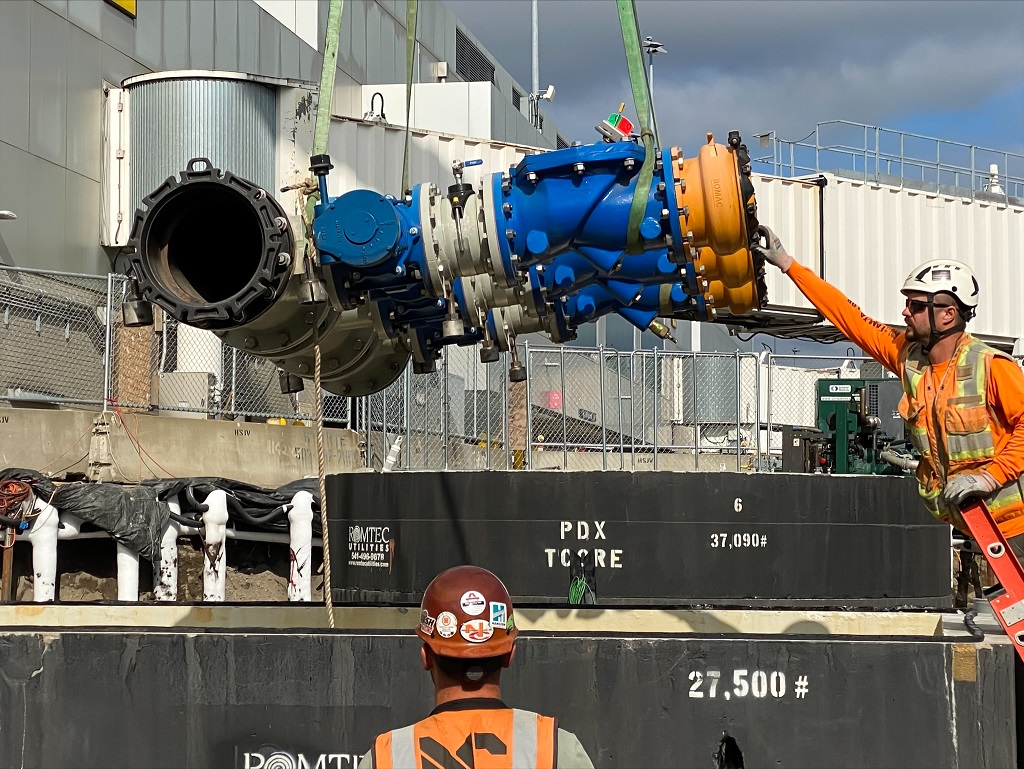
Image credit: romtecutilities.com
For project owners comparing the best lift station designers, the more useful question isn’t simply who can specify pumps. It’s not about who can make pumps specific and who is able to translate the site conditions and operational requirements into a design that’s easy to build and operate as well as maintain.
Gravity has limits
Gravity is often the most effective method to transport wastewater. But the terrain and construction patterns can make it difficult. The newest commercial, residential and industrial areas are usually too high or far away from the gravity sewer infrastructure.
Lift stations can supply the required force mechanically to transfer wastewater from one area of the system of collection to another. Yet designing one requires understanding the normal operation as well as less convenient situations, like high inflow pumps, maintenance of pumps, equipment failure, or any future growth in demand.
Businesses that are deemed to be among the best in the industry of wastewater should consider the entire problem of conveyance rather than treating an area as if it were a single item.
The current infrastructure makes it difficult to solve the puzzle.
The main issue isn’t new construction. Municipalities frequently need to retrofit or replace old stations, all while keeping their essential sanitation infrastructures in operation.
Wet wells that are in use, force mains electric services, controls, site boundaries, and downstream infrastructure can constrain the design. Engineers must decide which components are reusable, what must be replaced and how new components can be integrated with the existing system.
Romtec Utilities works across municipal, private, commercial industrial, retrofit and replacement applications. This allows pumping systems to be developed in accordance with the specific operational and ownership requirements of every project.
Stormwater is subject to different rules
The most effective developers of stromwater systems using the search phrases provided should overcome a different hydraulic issue. Stormwater systems can undergo dramatic variations in volume, based on the rainfall, drainage area capacities for detention and discharge rates.
For instance, a station that serves a detention area might need to hold the runoff before pumping it out at a specific speed. Engineers should consider the flow, head conditions, the requirements for environmental protection, flood-management goals and the specifics of the drainage system for which they are receiving.
Prefabrication is a way to move the work off-site
Complex field assembly can create opportunities for conflicting schedules, installation errors as well as change orders and delays. Romtec Utilities performs significant prefabrication of equipment prior the installation site is constructed.
In a controlled atmosphere where there is a controlled environment, the completion of more assembly work and quality control can speed up the construction process on the field. According to the method of project implementation described by Romtec Utilities, some projects that could otherwise take weeks can potentially be reduced to a few days according to the circumstances of the project.
Commissioning is a Part of Engineering Success
The installation of all components is not enough to make a system solid. Romtec Utilities is an installation advisor and will follow construction through startup, control-panel checking, pump operation testing the system, and also personnel education. Documentation also gives operators information they can use when repairing the system or considering the possibility of expansion in the future.
For owners searching for the most reputable lift station design, that final stage deserves attention. Engineering that is of high quality should yield more than an acceptable set of sketches. The owner should be left with a functioning system and a skilled staff, as well as useful documentation, and equipment designed for the specific conditions that the station must face in its daily operations.