A park district is able to approve the provision of funds for an additional public toilet. The team behind the project has chosen the location, the building seems to be in good shape and is ready to proceed.
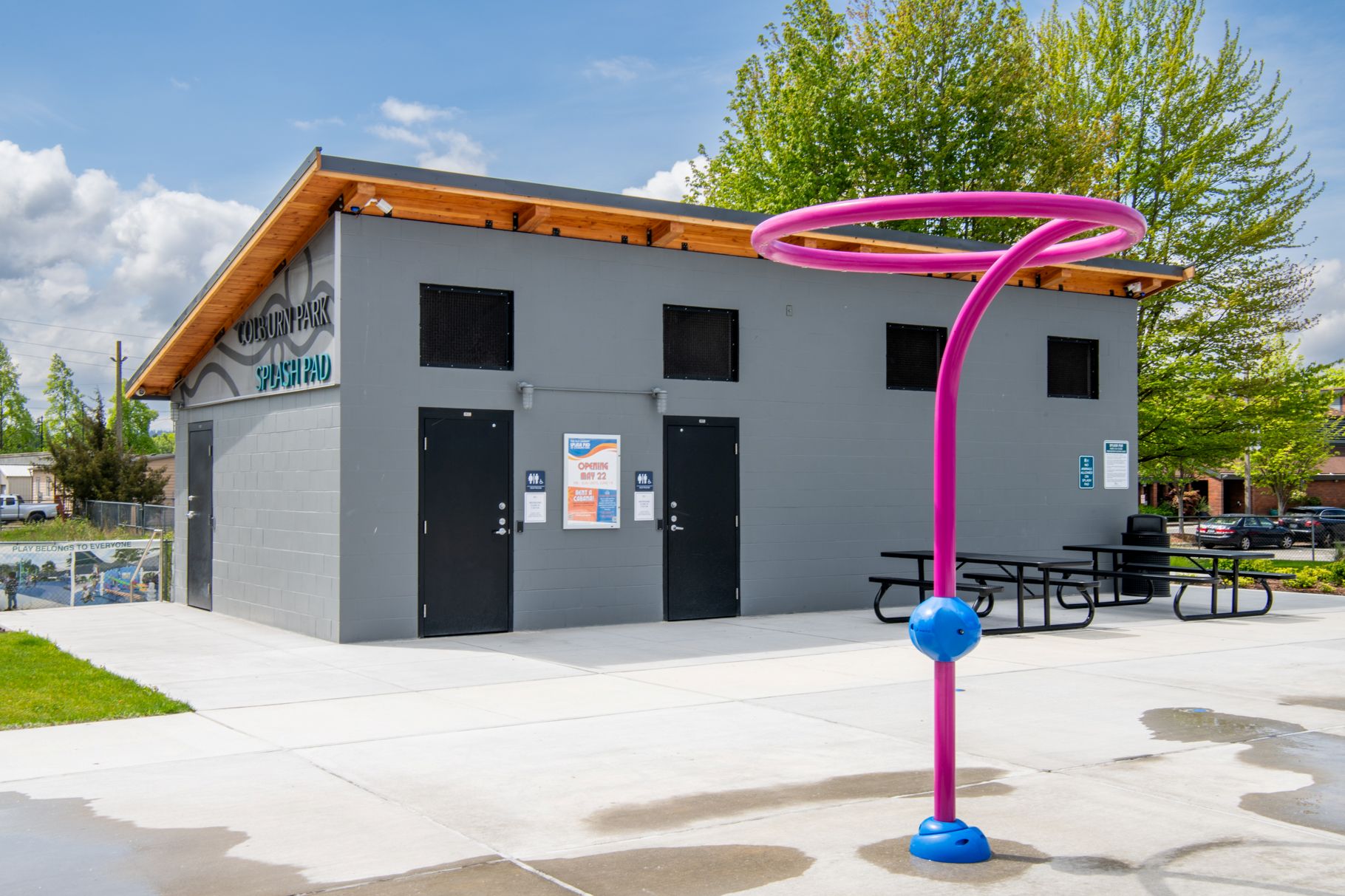
Image credit: romtec.com
The contractor will begin to look over the site. There is a drainage issue at the proposed site. There are possibilities that utilities may be further away than initially thought. The delivery vehicle could struggle to get to the installation area, and the building layouts might not meet the requirements of the space.
None of these issues necessarily implies that the project isn’t viable. But, they could result in redesigns, extra costs, or construction delays. For public entities and developers bathrooms, the project is much easier to manage when location conditions impact the design decision-making process from the beginning.
Building drawings don’t tell the entire story
Before selecting prefabricated park restroom buildings, project teams should understand what the surrounding property can accommodate. The site’s slope soil conditions, drainage utilities, utility accessibility, and construction access can all affect the construction process.
For example, a restroom constructed near a playground could require connections to existing sewer and water systems. If the connections aren’t available or costly to expand, the project may need a different sanitation approach.
Alongside the codes in force and accessibility standards Specific site conditions should be considered when deciding the foundation and the location of a structure. It is possible that a traditional design layout for a building looks great on paper but will require major modifications after these aspects have been considered.
Urban Projects are subject to their own constraints in the area of construction
It’s more than finding a small space to put a restroom on a sidewalk. On public sidewalks there are usually underground utilities, pedestrian pathways streets furniture, and construction entrances close by. Coordination of construction activities with local authorities could be required.
The positioning of a bathroom too close to a utility line could be a problem for excavation or foundation construction. Accessibility is another thing to take into account. The entrance and the surrounding access must satisfy the requirements of all relevant regulations.
Romtec offers ADA-focused and customizable single-user bathroom units, which include choices for sink and door location. These design choices enable teams working on projects to consider physical site limitations while designing for practical public use.
No sewer connection? Do you not have a sewer connection? Alternatives
Remote recreation sites pose a unique infrastructure challenge. The trailhead could be a few miles from the nearest sewer connection, making conventional flush toilets unsuitable.
Vault toilets are an alternative to waterless toilets in certain locations. Instead of carrying wastewater into a sewer system these toilets are able to collect waste and store it in the chamber, which has to be maintained regularly.
A vaulted toilet is be a good idea but it will not completely eliminate the need to plan your site. The project will still require adequate ground conditions and secure access to the equipment for servicing, as well as appropriate ventilation.
Romtec develops water-free vault toilets with Sweet-Smelling Technologies (SST), a technology designed to control the odors through ventilation. The choice of the sanitation system in advance can prevent costly changes in the design of the building later.
Construction Coordination Begins Prior to Delivery
Prefabricated construction is often misinterpreted as a pre-determined decision made by the manufacturer. In reality, the site preparation the foundation, requirements for foundations, utility connections accessibility, local approvals will require coordination. Romtec provides customizable kits for construction, design guidance and other services that can assist with these projects.
The company works with landscape architects, contractors, and project owners to match building specifications with individual site requirements. This is especially useful in situations where a bathroom needs to conform to a specific style of architecture or can accommodate unique property requirements.
The best questions are ones that will lead to better projects
Before approving purchases for restrooms owners should determine how the bathroom will receive utilities, how construction equipment will access the location and what authorizations will be required.
It is essential to determine whether the sanitation system you choose can handle the expected number of visitors as well as if the structure can be built without major infrastructure changes.
These kinds of questions aren’t as exciting as exterior finishes or architectural details but can influence more on the project’s price and timeframe.
Public restrooms that succeed don’t simply finish the construction on time. A successful project for public restrooms is one that considers the construction, the infrastructure of the site as well as the construction and the intended use. When those decisions are made earlier, the bathroom is a better foundation for serving the community efficiently.